What insurance does a small business need in North Carolina?
A plain guide to the coverages most North Carolina businesses carry, and the few the state requires.
A plain guide to the coverages most North Carolina businesses carry, and the few the state requires.
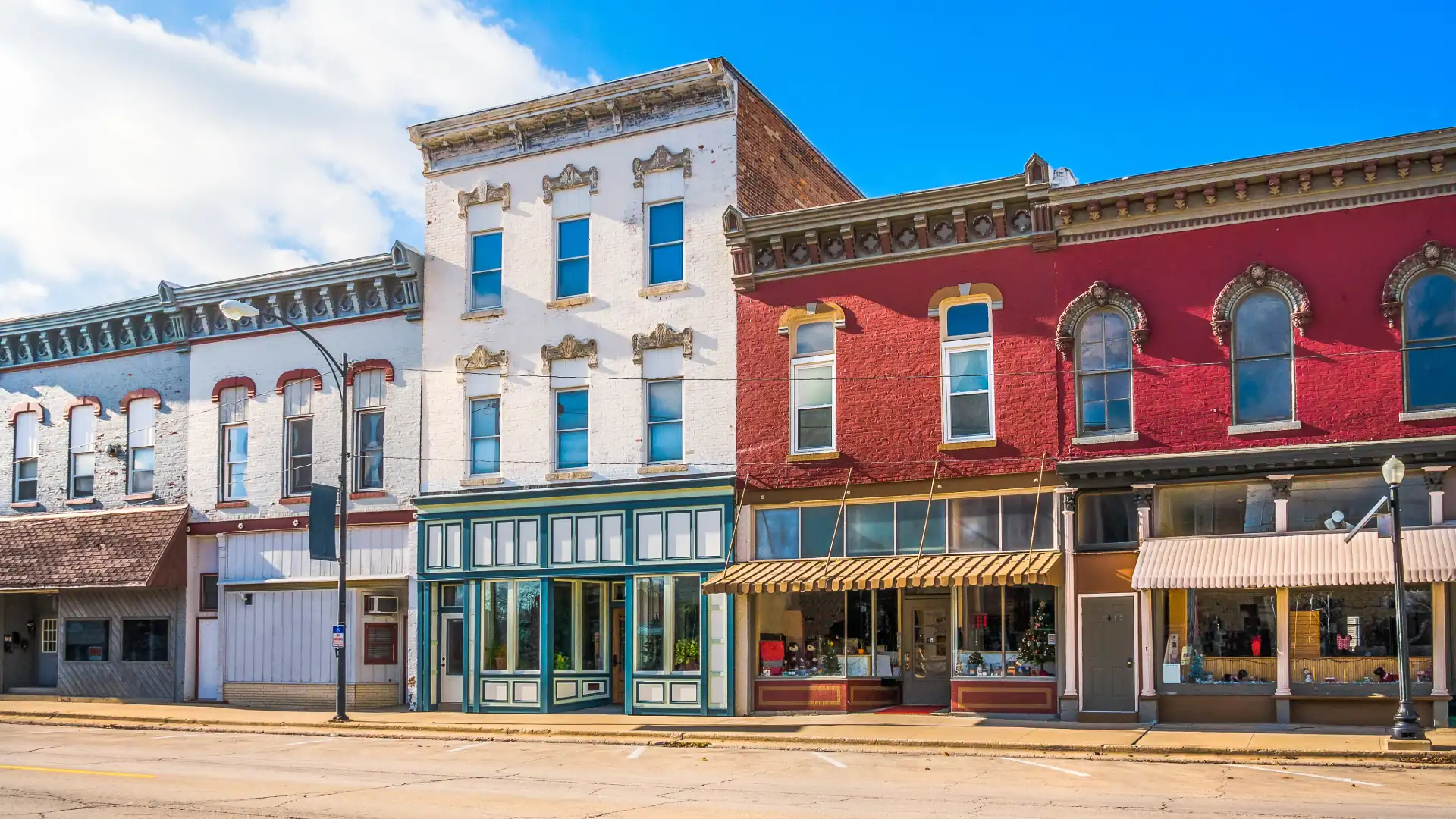
Most small businesses in North Carolina need general liability and property coverage, often packaged as a business owners policy. The state requires workers compensation once you have three or more employees, and liability insurance on any vehicle the business owns.
Everything else depends on what you do, who you work for and what your lease, lender or contracts require. Sizemore Insurance is an independent insurance company founded in North Carolina in 1977, and we compare many insurance companies to fit coverage to the business you actually run.
Business owners often need personal coverage reviewed at the same time. See flood insurance, coastal home insurance, golf cart insurance, motorcycle insurance and RV insurance.
Business owners policy (BOP). Packages general liability, property and business income for smaller, simpler businesses. It often costs less than buying the pieces separately. Forms, limits and exclusions vary by insurance company, and your own policy governs.
General liability. Covers injuries to customers and damage to other people's property caused by your business or your work. It does not cover your own employees, your vehicles or professional mistakes. See our industry pages for contractors, restaurants and landscapers.
Commercial property and business income. Covers your building, equipment, inventory and furniture, plus lost income while you are closed after a covered loss. Landlords should see lessor's risk only and shopping center insurance.
Workers compensation. Pays medical bills and lost wages for employees hurt on the job. See workers compensation insurance and employers liability insurance.
Commercial auto. Covers vehicles the business owns or leases. Hired and non-owned auto covers employees who drive their own cars on business errands. Fleets should see trucking insurance.
Professional liability. Covers claims that your advice, design or service caused a client financial harm. See professional liability insurance and professional office insurance.
Cyber liability. Pays for breach response, customer notices, data recovery and some fraud losses after a hack or lost data.
Umbrella. Adds liability limits above general liability, auto and employers liability. Contracts and leases often require it.
Inland marine. Covers tools, equipment and property that moves from job to job or is in transit, which a building policy may not reach.
Surety bonds. A bond guarantees you will perform a contract or follow a rule. It protects the customer or the government, not you, and you repay any claim the bond pays.
We always include wind and hail
Every business property policy we place on the coast includes wind and hail. When the insurance company excludes wind, we write the wind coverage separately through the Beach Plan or another company, so your building and business property are never left without it.
Forms, endorsements and availability vary by insurance company. Your own policy governs.
Workers compensation at three or more employees. Employers with three or more employees regularly employed in the same business must carry workers compensation, and one employee is enough in some radiation work (G.S. 97-2, NC Industrial Commission).
Auto liability on business vehicles. Every registered vehicle must carry continuous liability insurance from a company licensed in North Carolina (NCDMV). Policies issued or renewed on or after July 1, 2025 must carry at least $50,000 per person and $100,000 per accident for bodily injury and $50,000 for property damage, and include underinsured motorist coverage (NCDOI).
Heavier commercial vehicles. An owner of a commercial motor vehicle, as defined in state law, must carry financial responsibility equal to the federal amount for for-hire carriers of non-hazardous property (G.S. 20-309).
Data breach notices. A business that owns or licenses personal information of North Carolina residents must notify affected people after a security breach (G.S. 75-65). Cyber insurance can help pay for that response.
Flood is separate. The NC Department of Insurance notes that flood must be bought as a separate policy, and explains package policies, business interruption, inland marine and umbrella coverage (NCDOI types of business insurance).
Bonds are not insurance. A surety bond is a contract guaranteeing that specific obligations will be fulfilled, with the insurance company acting as surety (NCDOI surety bonds).
Two businesses of the same size can pay very different amounts. Insurance companies weigh:
We do not publish average prices. A licensed advisor quotes your actual situation across more than 100 insurance companies.
Most need general liability and property, often in a business owners policy, plus workers comp at three or more employees and commercial auto for business vehicles. Professional liability, cyber and an umbrella depend on the work you do.
The state requires workers comp at three or more employees and liability insurance on registered vehicles. Other coverage is required by landlords, lenders and contracts rather than by state law.
Yes. An LLC can help separate personal and business assets, but it does not pay claims, repair your property or cover injured employees.
A business owners policy, or BOP, packages general liability, property and business income for smaller businesses. Many restaurants, contractors and larger operations need separate policies instead.
It depends on your industry, sales, payroll, property, vehicles and location. We compare many insurance companies and quote your actual operation.
No. Employee injuries are covered by workers compensation, not general liability.
Yes, regularly employed part-time workers count toward the three-employee threshold. Corporate officers count too.
Not always. Vehicles owned by the business need a commercial policy, and personal policies can limit some business uses.
General liability covers bodily injury and property damage. Professional liability covers financial harm from your advice or service, like an error in a report or a missed deadline.
If you store customer data or take card payments, it is worth a look. North Carolina requires businesses to notify people after a breach, and cyber insurance can help pay for that.
Forms, endorsements and availability vary by insurance company. Your own policy governs.
Sizemore Insurance is an independent insurance company founded in North Carolina in 1977. Tell us what you need to protect, and a licensed advisor will compare more than 100 insurance companies to find the coverage that fits. Insurance made just for you.
Sources: G.S. 97-2, workers compensation definitions; NC Industrial Commission, employer insurance requirement; NCDMV, insurance requirements; NC Department of Insurance, auto changes effective July 1, 2025; G.S. 20-309, financial responsibility required for registration; G.S. 75-65, security breach notice; NC Department of Insurance, types of insurance for your business; NC Department of Insurance, surety bonds.
Forms, exclusions, endorsements, and availability vary by insurance company. This page is general information, not a policy or legal advice. Review your own policy or talk to your advisor.