Bar and Tavern Insurance in North Carolina: Liquor Liability, Fights and What It Costs
For bars, taverns, taprooms and late-night venues where alcohol is the main business, not a side line.
For bars, taverns, taprooms and late-night venues where alcohol is the main business, not a side line.
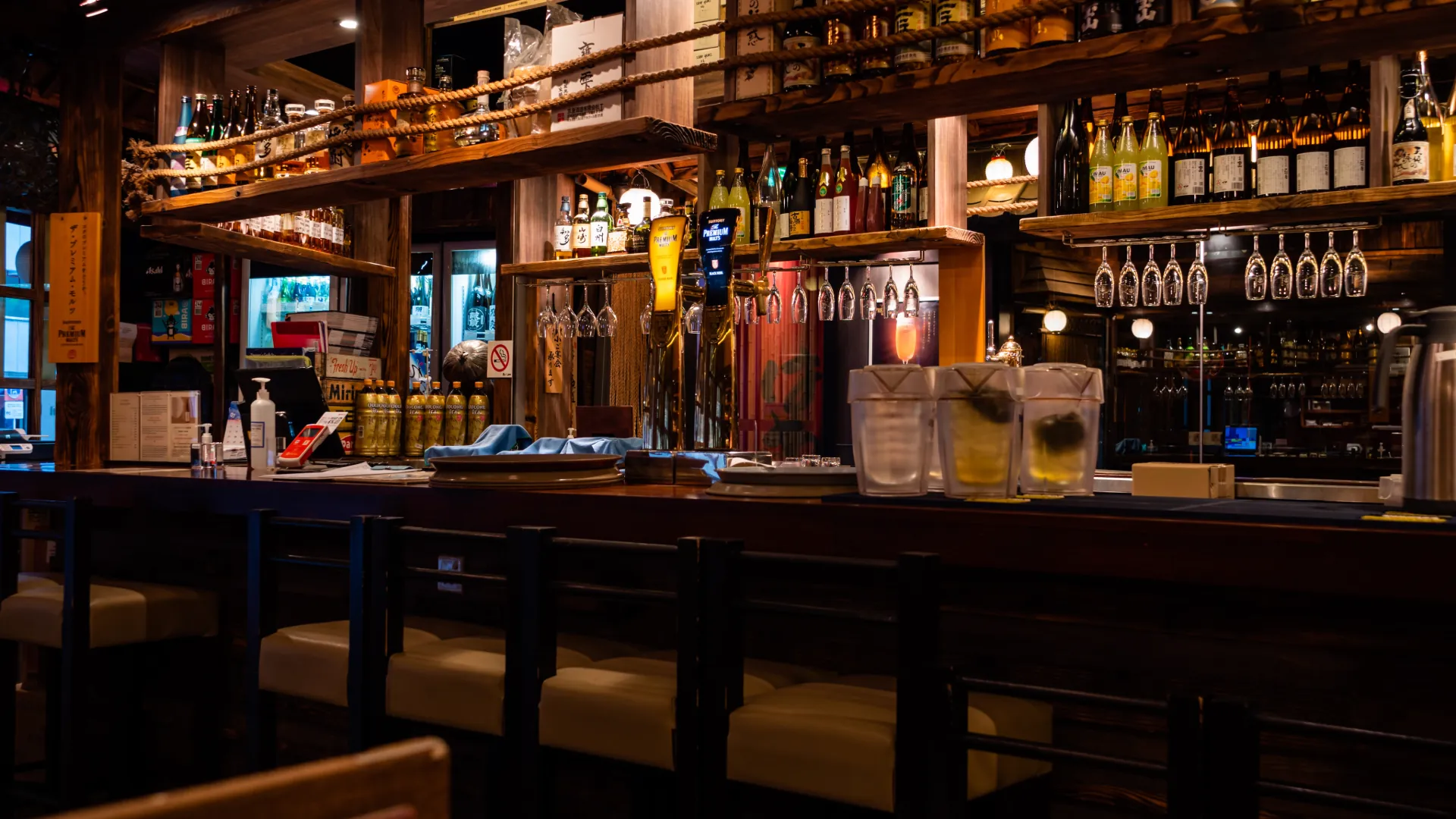
A bar's biggest insurance risk walks out the front door. A patron you served drives away, or a fight starts on the patio, and the claim lands on your permit, your business and sometimes you personally.
Most bars need liquor liability, general liability with real assault and battery coverage, property, business income and workers comp. The policy wording matters more here than almost anywhere else, because many bar policies exclude or cap exactly the claims bars get.
If food is most of your sales, start with our Restaurant Insurance page instead.
Liquor liability. The core policy. It covers claims that your business sold or served alcohol to someone who then injured another person. Standard general liability excludes these claims for any business that sells or serves alcohol, so a bar without liquor liability has a hole where its largest risk should be.
Assault and battery coverage. Many bar liability policies exclude assault and battery outright or cap it at a low sublimit, and the exclusion can reach negligent security and negligent hiring claims too. Ask for the exact wording and the limit before you buy on price.
General liability. Covers slips, falls and other customer injuries and property damage that are not alcohol-related. Check the assault and battery and liquor exclusions on this policy as well.
Commercial property and business income. Covers the building or your tenant improvements, the bar itself, coolers, draft systems, furniture and stock, plus lost income while you are closed after a covered loss.
We always include wind and hail
Every business property policy we place on the coast includes wind and hail. When the insurance company excludes wind, we write the wind coverage separately through the Beach Plan or another company, so your building and business property are never left without it.
Equipment breakdown and spoilage. Covers compressor and draft system failures and the product lost when they fail.
Workers compensation. Required at three or more employees regularly employed. Bartenders, barbacks and door staff count, including part-time staff.
Hired and non-owned auto. Covers the bar when an employee runs an errand in their own car and causes a crash.
Umbrella. Adds limits above liquor, general liability and auto. Confirm the umbrella actually sits over the liquor policy; some do not.
Forms, endorsements and availability vary by insurance company. Your own policy governs.
ABC permits. On-premises sales require the matching ABC permits: malt beverage, unfortified wine, fortified wine and mixed beverages are separate permits, and there are separate brown-bagging and bring-your-own-beverage permits (G.S. 18B-1001, NC ABC Commission).
No statewide liquor liability insurance requirement. We found no section of Chapter 18B that makes liquor liability insurance a condition of the permit. A 2011 bill proposed one, and the version that passed did not include it. Leases, lenders and event contracts often require it, so read yours.
The Dram Shop Act. An injured person can sue a permit holder that negligently sold to someone under 21 who then drove impaired and caused the injury. Damages under that statute are capped at $500,000 per occurrence, shared among all claimants (Chapter 18B, Article 1A).
Over-serving adults. North Carolina courts also allow common-law claims against a business that served a patron it knew or should have known was intoxicated (Hutchens v. Hankins, 1983; NC pattern jury instruction 102.81). Selling or giving alcohol to an intoxicated person is illegal (G.S. 18B-305), and a court can treat that violation as negligence.
Server training. The ABC Commission offers a free Responsible Alcohol Seller Program (RASP). It is voluntary, but documented training helps your defense and your underwriting.
Workers compensation. Required at three or more employees regularly employed (G.S. 97-2), with daily penalties for going without (G.S. 97-94).
Bar pricing is driven by alcohol exposure more than square footage. Insurance companies weigh:
We do not publish average prices. A licensed advisor quotes your actual operation across more than 100 insurance companies.
Liquor liability, general liability with assault and battery coverage, property and business income, and workers comp at three or more employees. An umbrella that sits over the liquor policy is common.
No, not for a business that sells or serves alcohol. Standard general liability policies exclude those claims, so a bar needs a separate liquor liability policy.
State law does not require it for an ABC permit, based on our review of Chapter 18B. Landlords, lenders and event contracts usually do.
It lets an injured person sue a permit holder that negligently sold to someone under 21 who then drove impaired, with damages capped at $500,000 per occurrence. Courts also allow claims for serving a visibly intoxicated adult.
It covers claims from fights on or near your premises, including claims that your security or staff failed to prevent them. Many bar policies exclude it or cap it low, so check the wording.
Often yes. Even if you do not sell alcohol, allowing it on premises creates exposure, and some policies treat BYOB businesses differently. Tell us how alcohol is handled so the coverage matches.
It is usually priced on liquor sales, with hours, capacity, entertainment, security and claims history moving the rate. We quote your actual operation across many insurance companies.
It can help. Documented ID checks and responsible service training are part of how insurance companies judge a bar's risk, and they help your defense if a claim is filed.
Forms, endorsements, and availability vary by insurance company. Your own policy governs.
Sizemore Insurance is an independent insurance company founded in North Carolina in 1977. Tell us what your business does and what you need to protect, and a licensed advisor will compare more than 100 insurance companies to find the coverage that fits. Insurance made just for you.
Sources: G.S. 18B-1001, kinds of ABC permits; NC ABC Commission, retail permit information; Chapter 18B, Article 1A, Compensation for Injury Caused by Sales to Underage Persons; Hutchens v. Hankins, 63 N.C. App. 1 (1983); UNC School of Government, NC pattern jury instruction 102.81, dram shop common law; G.S. 18B-305, sales to intoxicated persons prohibited; NC ABC Commission, Responsible Alcohol Seller Program; G.S. 97-2, workers compensation definitions (3 or more employees); G.S. 97-94, penalties for not carrying workers compensation; IRMI, the liquor liability exclusion in the CGL; IA Magazine, assault and battery exclusions for bars and restaurants.
Forms, exclusions, endorsements, and availability vary by carrier. This page is general information, not a policy or legal advice. Review your own policy or talk to your advisor.