Contractor Insurance in North Carolina: What the Trades Need and What the State Requires
For electricians, plumbers, framers, handymen, landscapers and other trades, from one-truck shops to growing crews.
For electricians, plumbers, framers, handymen, landscapers and other trades, from one-truck shops to growing crews.
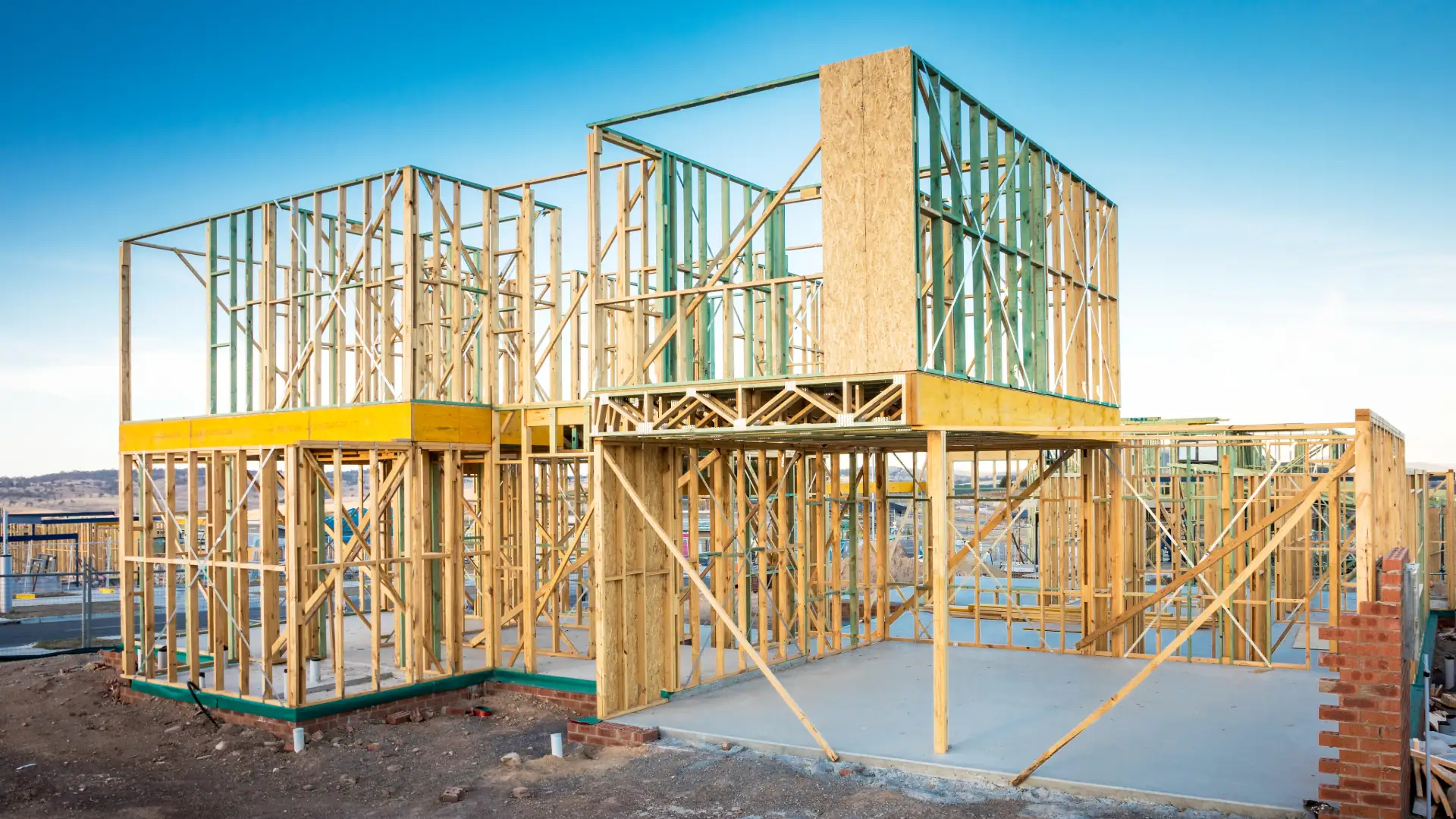
North Carolina does not require most trades to carry general liability insurance to get licensed. Your customers, general contractors and building departments will ask for it anyway, and a single water leak, fire or fall can cost more than the business is worth.
Most trade contractors need general liability, workers comp once they have three or more employees (or when a general contractor demands a certificate), commercial auto, and inland marine coverage for tools and equipment. What else you need depends on the trade.
General liability. Covers injuries and property damage you cause on a job, plus completed operations claims that show up after the job is finished. Check for exclusions on residential, condo or roofing work before you buy.
Workers compensation. Required at three or more employees, and often demanded by general contractors regardless of size because of North Carolina's subcontractor rule.
Commercial auto. Covers work trucks, vans and trailers. A personal auto policy may not cover a vehicle used mainly for business.
Inland marine (tools and equipment). Covers tools, equipment and materials in your truck, at the shop or on the job site. Property policies usually stop at your building's door.
Contractor bonds. License bonds, permit bonds and performance and payment bonds are guarantees to others, not insurance for you. Some licenses require a bond; many contracts do too.
Professional liability (E&O). Needed when you design, specify or size systems, such as design-build electrical, solar or HVAC load calculations. General liability excludes professional services.
Pollution liability. Covers mold, sewage, fuel and chemical releases, which general liability usually excludes.
Umbrella. Adds limits above liability, auto and employer's liability, often to meet a general contractor's or owner's contract.
Forms, endorsements and availability vary by insurance company. Your own policy governs.
Workers compensation. Employers with three or more employees regularly employed must carry workers comp (G.S. 97-2). Sole proprietors, partners and LLC members are not counted automatically but can elect to cover themselves by notifying the insurance company (NC Industrial Commission).
Subcontractor certificates. A contractor who hires a subcontractor without first getting a certificate of workers comp coverage can be liable for the sub's injured workers, even if the sub has fewer than three employees (G.S. 97-19).
General contractor license. A general contractor license is required when the cost of the project is $40,000 or more (G.S. 87-1, NCLBGC). Licensing requires proof of financial standing, not general liability insurance, and building permits for $40,000 or more require proof of workers comp (G.S. 87-14).
Trade licenses. Electrical, plumbing, heating and fire sprinkler work requires a state license at any project value, apart from narrow exceptions (G.S. 87-43, G.S. 87-21). Landscape contractors need a license at $30,000 or more per job site in 12 months (G.S. 89D-13). None of these boards requires general liability insurance by statute.
Vehicles. Business vehicles need at least North Carolina's 50/100/50 liability minimums on policies issued or renewed on or after July 1, 2025 (NCDOI).
Contractor insurance is priced on what you do and how much of it. The main factors:
We do not publish average prices. A licensed advisor quotes your actual operation across more than 100 insurance companies.
The state requires workers comp at three or more employees and auto insurance on business vehicles. General liability is not a licensing requirement for most trades, but customers and general contractors almost always require it.
Not by law if you are a sole proprietor with no employees. Many general contractors still require a certificate because they can be liable for an uninsured sub's workers.
It depends on your trade, revenue, payroll, type of work and claims history. We compare more than 100 insurance companies and quote your actual operation.
No. Tools and equipment need inland marine or contractor's equipment coverage.
Ask us. We issue certificates showing your coverage and can add a general contractor or owner as an additional insured when your policy allows it.
Some licenses require a bond, such as landscape and irrigation contractors, and some contracts require performance and payment bonds. A bond protects the other party, not you.
General liability usually does not pay to redo your own faulty work, but it can cover damage that faulty work causes to other property.
Forms, endorsements, and availability vary by insurance company. Your own policy governs.
Sizemore Insurance is an independent insurance company founded in North Carolina in 1977. Tell us what your business does and what you need to protect, and a licensed advisor will compare more than 100 insurance companies to find the coverage that fits. Insurance made just for you.
Sources: G.S. 97-2, workers compensation definitions (3 or more employees); NC Industrial Commission, employer insurance requirement; G.S. 97-19, contractor liability and subcontractor certificates; G.S. 87-1, who is a general contractor ($40,000 threshold); G.S. 87-14, building permits and workers compensation proof; NC Licensing Board for General Contractors; G.S. 87-43, electrical contractor license required; G.S. 87-21, plumbing, heating and fire sprinkler contractor licenses; G.S. 89D-13, landscape contractor exemptions ($30,000 threshold); NC Department of Insurance, auto changes effective July 1, 2025.
Forms, exclusions, endorsements, and availability vary by carrier. This page is general information, not a policy or legal advice. Review your own policy or talk to your advisor.