Electrician Insurance in North Carolina: What Electrical Contractors Need
For electrical contractors, service electricians, low-voltage, solar and generator installers.
For electrical contractors, service electricians, low-voltage, solar and generator installers.
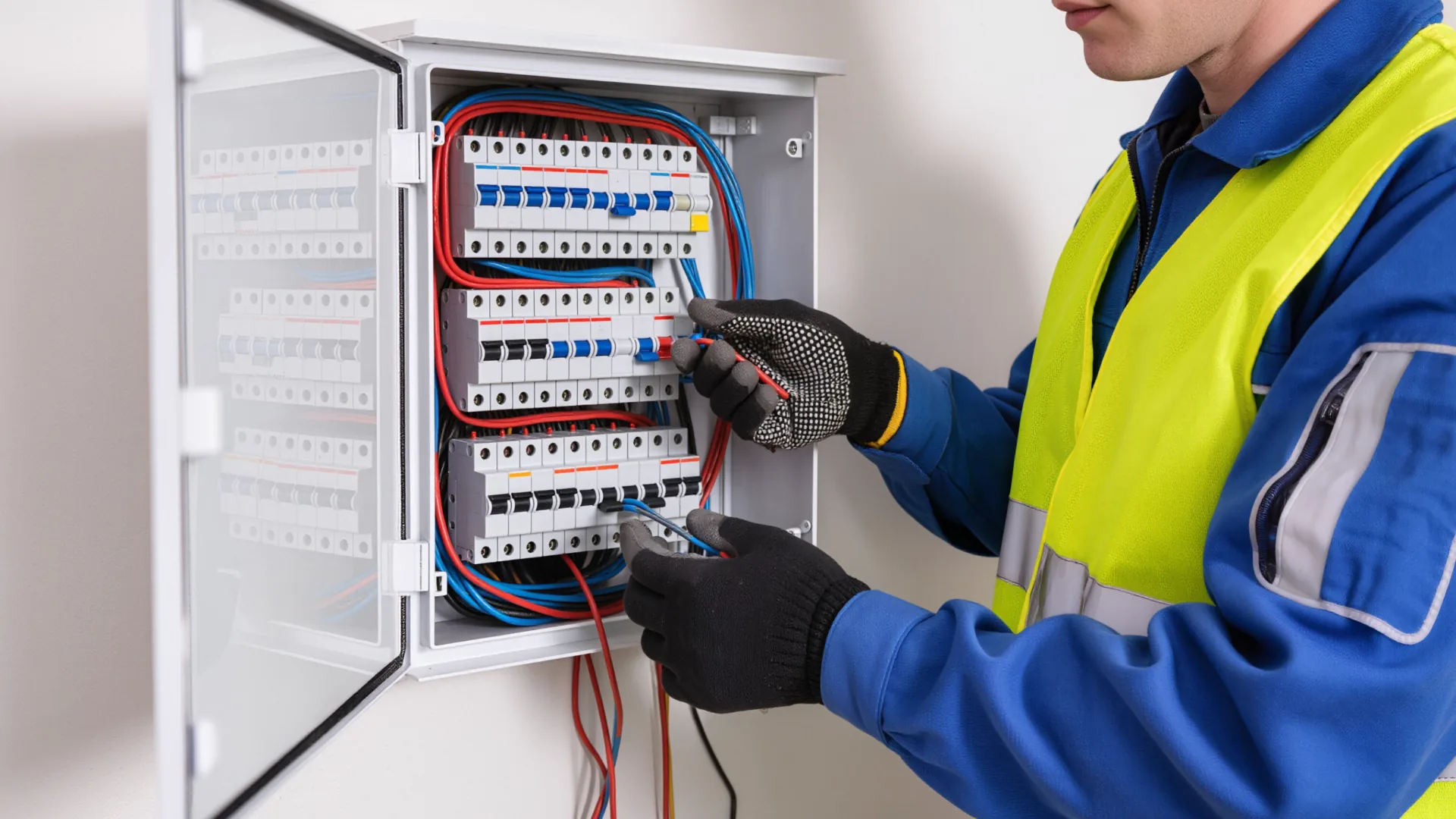
Electrical claims tend to be large and late. A connection that fails months after the job can start a fire that takes the whole house.
North Carolina requires an electrical contractor license for paid electrical work at any value, and license classes cap the size of a single project. Liability insurance is not a licensing requirement, but nearly every customer and general contractor will ask for a certificate.
General liability with completed operations. Covers fire, shock and property damage from your work, including claims after the job is finished.
Professional liability (E&O). Covers design and load calculation errors on design-build, solar and generator work, which general liability excludes.
Workers compensation. Covers falls from ladders and lifts, shocks and burns. Required at three or more employees.
Commercial auto. Covers vans, bucket trucks and trailers.
Inland marine (tools and equipment). Covers meters, tools, wire and equipment on the van or job site.
Umbrella. Adds limits for commercial and industrial contracts.
Forms, endorsements and availability vary by insurance company. Your own policy governs.
License required at any value. No one may engage in electrical contracting without a license from the State Board of Examiners of Electrical Contractors (G.S. 87-43). Homeowners working on their own homes and simple tasks such as replacing lamps and fuses are exempt; installing a permanent receptacle is not (G.S. 87-43.1).
License classes limit project size. The Board's licensing page lists Limited at up to $60,000 per project, Intermediate at up to $150,000, and Unlimited with no cap (NCBEEC licensing). The statute sets the outer limits and lets the Board adjust them (G.S. 87-43.3); confirm the current figures with the Board.
Bonding ability, not insurance. Intermediate and Unlimited licenses require a statement of bonding ability to activate (NCBEEC). Neither the statute nor the Board requires liability insurance for the license.
Workers comp and subs. Employers with three or more employees regularly employed must carry workers comp (G.S. 97-2). Sole proprietors, partners and LLC members are not counted automatically but can elect to cover themselves by notifying the insurance company (NC Industrial Commission). A contractor who hires a subcontractor without first getting a certificate of workers comp coverage can be liable for the sub's injured workers, even if the sub has fewer than three employees (G.S. 97-19).
Vehicles. Business vehicles need at least North Carolina's 50/100/50 liability minimums on policies issued or renewed on or after July 1, 2025 (NCDOI).
The main factors insurance companies weigh:
We do not publish average prices. A licensed advisor quotes your actual operation across more than 100 insurance companies.
General liability with completed operations, workers comp at three or more employees, commercial auto and tools coverage. Add professional liability if you design or size systems.
The state does not require a license bond, but Intermediate and Unlimited licenses require a statement of bonding ability. Some contracts and local governments require bonds.
Yes, for paid electrical contracting at any value, apart from narrow exceptions such as replacing lamps and fuses.
No. The license requires exams, experience and bonding ability for higher classes, not liability insurance.
No. Design and load calculation errors need professional liability coverage.
It depends on your work type, payroll, revenue, specialties and claims history. We compare many insurance companies and quote your actual business.
Forms, endorsements, and availability vary by insurance company. Your own policy governs.
Sizemore Insurance is an independent insurance company founded in North Carolina in 1977. Tell us what your business does and what you need to protect, and a licensed advisor will compare more than 100 insurance companies to find the coverage that fits. Insurance made just for you.
Sources: G.S. 87-43, electrical contractor license required; G.S. 87-43.1, electrical licensing exceptions; G.S. 87-43.3, electrical contractor license limitations; NC State Board of Examiners of Electrical Contractors, licensing; G.S. 97-2, workers compensation definitions (3 or more employees); NC Industrial Commission, employer insurance requirement; G.S. 97-19, contractor liability and subcontractor certificates; NC Department of Insurance, auto changes effective July 1, 2025.
Forms, exclusions, endorsements, and availability vary by carrier. This page is general information, not a policy or legal advice. Review your own policy or talk to your advisor.