What insurance does a shopping center or strip mall owner need?
For owners of strip malls, strip centers, neighborhood shopping centers and retail buildings leased to several tenants.
For owners of strip malls, strip centers, neighborhood shopping centers and retail buildings leased to several tenants.
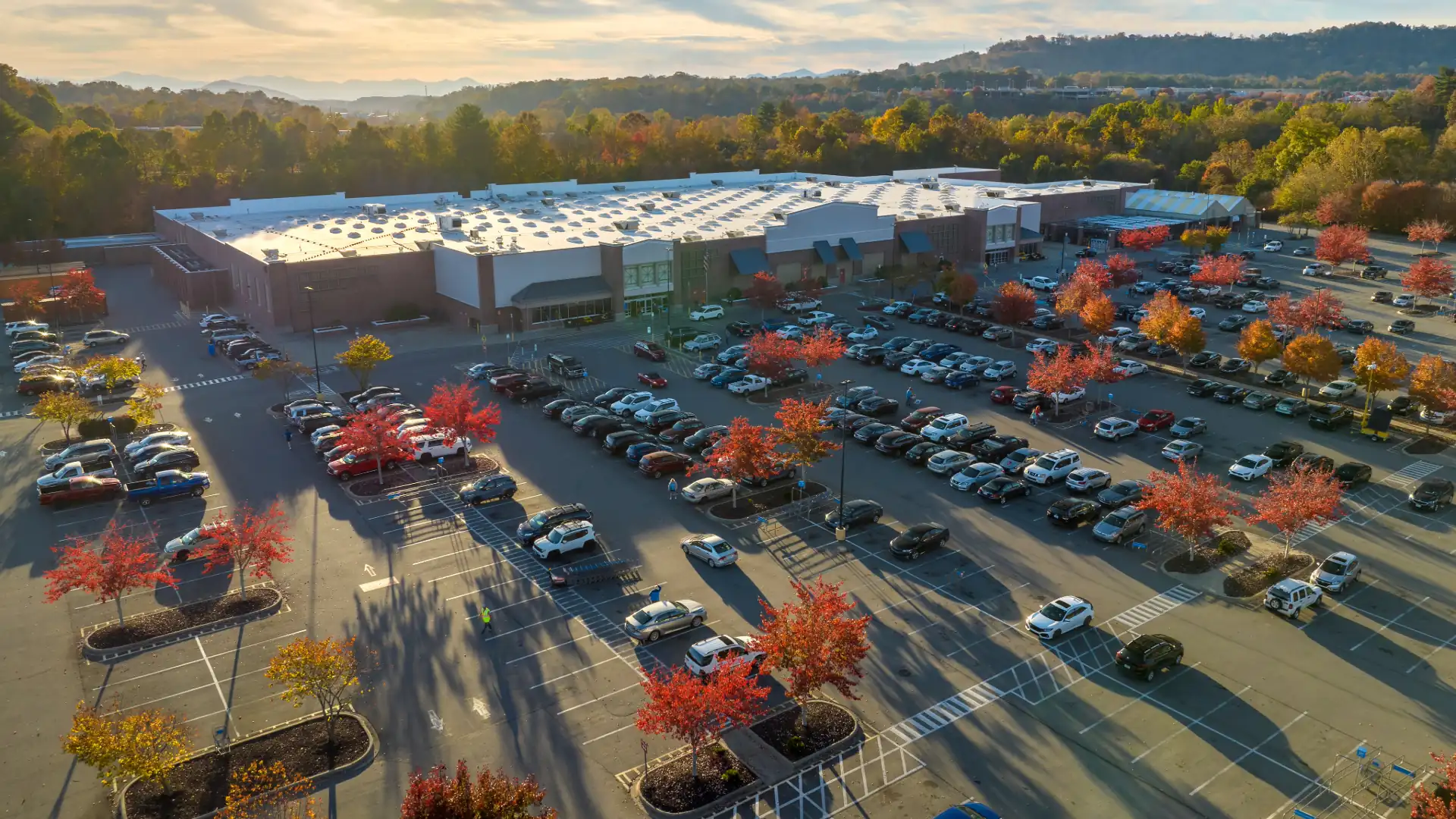
A shopping center or strip mall owner usually needs commercial property on the buildings, coverage for lost rent, general liability for the parking lot, sidewalks and common areas, and an umbrella above that liability. Coastal centers also need a plan for wind and flood.
The tenants insure their own stores. You insure what you own and the areas you control, and the leases decide how much of that cost comes back to you through common area charges. Most strip mall owners insure the building on a lessor's risk only policy or a package built for retail property. See who needs lessor's risk only insurance for single-tenant and other leased buildings.
Commercial property. Covers the buildings, canopies, signs attached to the building and building equipment you own. Freestanding pylon signs, parking lot lights and fences are often limited or need to be listed. Forms, limits and exclusions vary by insurance company, and your own policy governs.
Loss of rents. Replaces rent from tenants who cannot operate after a covered loss to the center. One fire in a shared building can close several stores at once.
General liability. Covers injury claims from the parking lot, sidewalks, curbs, wheel stops and common hallways, which are the areas the owner controls. Slip and fall claims from rain, ice and uneven pavement are the most common.
Umbrella. Adds limits above general liability. A serious parking lot injury can exceed a single liability limit, and anchor tenants and lenders often require an umbrella.
Ordinance or law. Pays the extra cost to rebuild to current code after a covered loss, which can be large for older centers.
Equipment breakdown. Covers rooftop HVAC units, electrical service and other owner systems that fail suddenly.
Pollution liability. Most general liability and property forms exclude or limit pollution. A separate environmental policy can respond to contamination from a former dry cleaner, auto shop or fuel tenant.
Crime and security exposure. Assaults and thefts in a parking lot can lead to claims that the owner failed to provide reasonable security. Some liability forms exclude or limit assault and battery, so check the wording.
Flood and wind. Flood needs its own policy. On the coast, when the property policy excludes wind, we write it separately through the Beach Plan or another company, usually with a named storm deductible.
We always include wind and hail
Every business property policy we place on the coast includes wind and hail. When the insurance company excludes wind, we write the wind coverage separately through the Beach Plan or another company, so your building and business property are never left without it.
Forms, endorsements and availability vary by insurance company. Your own policy governs.

ADA applies to owners and tenants. Under the federal ADA rules, both the landlord and the tenant of a public accommodation are responsible for compliance, and the lease can allocate who does what (28 CFR 36.201).
Parking and curb cuts are on the barrier list. Public accommodations must remove architectural barriers in existing facilities when it is readily achievable, and the federal examples include creating accessible parking spaces and making curb cuts (28 CFR 36.304, ADA.gov Title III). This is a legal duty, and most insurance does not pay for the work.
Dry cleaner contamination. North Carolina runs a Dry-Cleaning Solvent Cleanup Act program that funds assessment and cleanup of dry-cleaning solvent contamination, paid for by taxes on dry-cleaning sales and solvents (NC DEQ DSCA program). If your center has or had a dry cleaner, ask about it before you buy or renew.
Coastal wind through the state pool. The Coastal Property Insurance Pool writes commercial windstorm and hail in the 18 coastal counties, and commercial fire in the beach area (NCIUA coverage areas).
Federal flood limits. The National Flood Insurance Program covers a non-residential building up to $500,000 and contents up to $500,000 (FEMA FloodSmart). A center with several buildings or a high value often needs excess flood.
Workers comp for center staff. If the ownership or management entity regularly employs three or more people, workers compensation is required (G.S. 97-2).
Every center is priced on its own buildings, tenants and location. Insurance companies weigh:
We do not publish average prices. A licensed advisor quotes your actual situation across more than 100 insurance companies.
Most shopping centers and strip malls carry commercial property, loss of rents, general liability for the parking lot and common areas, and an umbrella. Coastal centers add wind and flood, and some add pollution coverage.
The coverages are the same, but the rating changes with size, tenant mix and how much common area the owner controls. A small strip center may fit a simpler package policy.
Tenants usually reimburse their share of the owner's property insurance, taxes and common area costs. The owner still buys the policy, and the lease spells out what is passed through.
Common area maintenance charges usually cover upkeep of the parking lot, landscaping, lighting and shared areas. Many leases also pass through a share of the owner's property and liability insurance, but each lease is different.
The owner is usually responsible for areas it controls, like the parking lot and sidewalks, and that is what the owner's general liability covers. Claims inside a tenant's store usually go to the tenant's policy, depending on the lease.
Both. Federal rules make the landlord and the tenant responsible, and the lease can divide the work between them.
Most owners require general liability with the owner as an additional insured, a waiver of subrogation, property on the tenant's own contents and improvements, and workers comp where it applies. Ask for a certificate every year.
Standard property and general liability forms usually exclude or limit pollution. A separate environmental policy may help, and the state's dry-cleaning cleanup program may apply to some sites.
No. Flood needs a separate policy, either through the federal program or a private flood insurer.
It depends on building values, tenants, location and limits. We compare many insurance companies and quote the actual center.
Forms, endorsements and availability vary by insurance company. Your own policy governs.
Sizemore Insurance is an independent insurance company founded in North Carolina in 1977. Tell us what you need to protect, and a licensed advisor will compare more than 100 insurance companies to find the coverage that fits. Insurance made just for you.
Sources: 28 CFR 36.201, landlord and tenant responsibilities; 28 CFR 36.304, removal of barriers; ADA.gov, Title III public accommodations; NC DEQ, Dry-Cleaning Solvent Cleanup Act program; NCJUA / NCIUA, coverage areas; FEMA FloodSmart, NFIP coverage limits; G.S. 97-2, workers compensation definitions.
Forms, exclusions, endorsements, and availability vary by insurance company. This page is general information, not a policy or legal advice. Review your own policy or talk to your advisor.