What is lessor's risk only (LRO) insurance?
For owners of strip malls, office, medical, retail, restaurant and warehouse buildings who lease space to tenants and do not run a business there themselves.
For owners of strip malls, office, medical, retail, restaurant and warehouse buildings who lease space to tenants and do not run a business there themselves.
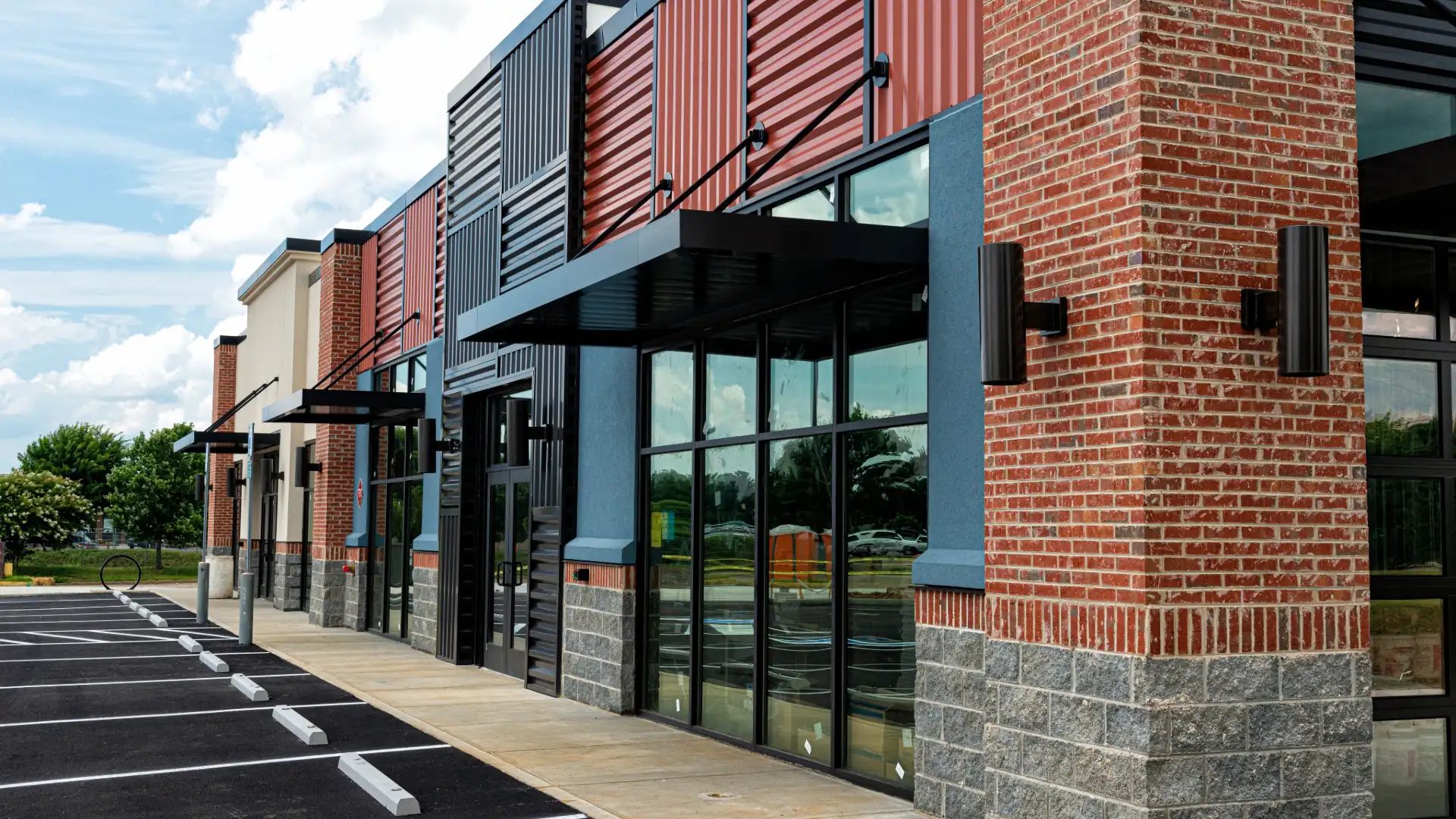
Lessor's risk only (LRO) insurance is a commercial policy for a building owner who leases the space to tenants and does not occupy it. It usually combines property coverage on the building, coverage for lost rent after a covered loss, and general liability for the parts of the property the owner still controls.
The tenant buys its own policy for its business, its contents and its own operations. Your lease decides who insures what, so the policy and the lease need to match. Sizemore Insurance is an independent insurance company on the North Carolina coast since 1977, and we compare many insurance companies for LRO buildings.
Building. Covers the structure you own against covered causes of loss such as fire, lightning and many wind events. It can include permanent fixtures, building equipment and improvements you own. Forms, limits and exclusions vary by insurance company, and your own policy governs.
Loss of rents or rental value. Replaces the rent you lose while the building cannot be occupied after a covered loss. Set the limit to how long a rebuild would really take, including permits and contractor delays.
Landlord general liability. Covers injury and property damage claims tied to areas you control, such as parking lots, sidewalks, stairways and shared hallways. It does not cover the tenant's operations inside its space.
Ordinance or law. Pays for the extra cost of rebuilding to current building code, demolishing an undamaged part, and the value of an undamaged part you are forced to tear down. Older buildings need this more than newer ones.
Equipment breakdown. Covers sudden mechanical or electrical failure of HVAC units, boilers, electrical panels and similar systems you own and maintain.
Umbrella. Adds liability limits above the landlord general liability. Lenders and larger tenants often ask for it.
Flood and wind. Flood is not covered by a standard commercial property form and needs its own policy. On the coast, when the property policy excludes wind, we write it separately through the Beach Plan or another company, usually with its own named storm deductible.
We always include wind and hail
Every business property policy we place on the coast includes wind and hail. When the insurance company excludes wind, we write the wind coverage separately through the Beach Plan or another company, so your building and business property are never left without it.
Forms, endorsements and availability vary by insurance company. Your own policy governs.
Lessor's risk only insurance fits owners who lease a commercial building to other businesses and do not run a business there themselves. These are the property types we see most often, and how the work splits between your policy and your tenant's. Forms and eligibility vary by insurance company.
Strip malls and shopping centers. Your policy covers the building, lost rent and your liability for the parking lot, sidewalks and other common areas. Each tenant insures its own store contents and its own operations, and larger centers often need our shopping center and retail property coverage.
Single-tenant net lease buildings. A pharmacy, auto parts store or dollar store building leased to one business on a triple net lease is a common LRO building. The lease decides whether you buy the building policy and bill it back or the tenant insures the building, so the lease and the policy need to say the same thing.
Office buildings. You insure the building, lobbies, stairways, elevators and parking areas. Office tenants insure their own furniture, computers and liability inside their suites.
Medical and dental office buildings. Your policy covers the building and common areas, and equipment breakdown matters for the heavy HVAC and electrical systems these buildings use. Each practice carries its own professional liability, general liability and coverage for its equipment and buildout.
Warehouses and flex or industrial space. You insure the shell, loading docks and paved areas. Tenants insure the stock and machinery they keep there, and what a tenant does inside, storage or light manufacturing, changes how insurance companies look at the building.
Restaurant buildings leased to an operator. Cooking raises the fire risk, so insurance companies look closely at the kitchen hood and fire suppression system. The operator insures its kitchen equipment, the improvements and betterments it paid for and its own liability, including liquor liability if it serves alcohol.
Mixed-use buildings. LRO can cover the commercial space you lease out, such as storefronts on the ground floor. Apartments above are a residential rental risk and usually need coverage written for that, on the same policy or a separate one.
Bank and fast-food pads on a ground lease. On a ground lease the tenant often builds and owns the building, so your main exposure may be liability for the land and shared drives. The ground lease says who owns the building and who insures it, and that decides whether you need building coverage at all.
Church, daycare or school buildings you lease out. Your policy covers the building and your liability as the owner. The congregation, daycare or school carries its own liability coverage, and with children and large groups on site, a current certificate from that tenant matters even more.
Tenant general liability that names you. An additional insured is a person or business added to someone else's policy, often because a lease requires it. ISO form CG 20 11, Additional Insured - Managers or Lessors of Premises, adds the landlord to the tenant's general liability policy for the leased space. It is a scheduled form, so the premises and your name must be listed on it (IRMI, Landlord as an Insured).
Waiver of subrogation. A waiver of subrogation stops an insurance company that paid a loss from suing the other party to get its money back. Many leases have owner and tenant waive recovery against each other for property losses. Put the waiver in place before a loss, because waiving after a loss can void coverage under many policies.
Tenant property and improvements. The tenant should insure its own contents and the improvements and betterments it pays for. Property policies differ on whether those improvements count as building or contents, so the lease should say who insures them.
Indemnification and hold harmless. A hold harmless clause has one party take on certain claims or losses of the other, and leases often use one so the tenant answers for claims from its own use of the space. Broad form versions are unenforceable in a number of states, so pair the clause with additional insured status and have an attorney review the wording.
Certificates and notice of changes. Collect a current certificate of insurance at move-in and at every renewal. In North Carolina a certificate of insurance is not a policy and gives the holder no rights beyond what the policy says, so also ask for a copy of the additional insured endorsement. The state's cancellation notice rule requires notice to the insured and any listed mortgagee or loss payee, so the lease should require the tenant to tell you right away if its coverage cancels or changes.
Who pays for the building policy. In a net lease the tenant pays some or all of the property taxes, insurance and maintenance on top of base rent. The lease should say who buys the building policy, what limits and deductibles it carries, and how the tenant pays back the premium.
Liquor liability for bar and restaurant tenants. The standard ISO general liability form excludes liquor liability for a business that sells or serves alcohol, so these tenants need a separate liquor liability policy. North Carolina law also lets an injured person sue a permit holder that negligently sold alcohol to an underage driver who then caused a crash while impaired.
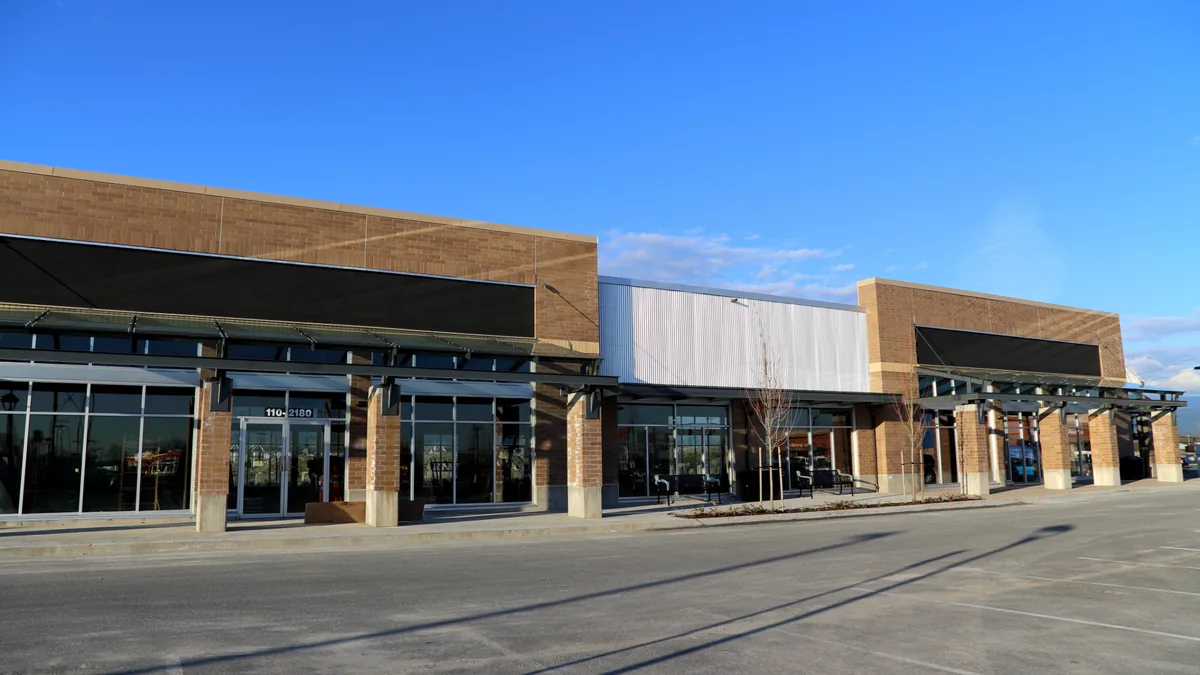
Accessibility is shared with your tenant. Under the federal ADA rules, both the landlord who owns a building that houses a public accommodation and the tenant who runs it are responsible for compliance, and the lease can divide that responsibility between them (28 CFR 36.201, ADA.gov Title III). A liability policy generally does not pay to fix barriers, so read the lease language.
Coastal wind through the state pool. In the 18 coastal counties, the Coastal Property Insurance Pool offers commercial windstorm and hail coverage, and commercial fire coverage in the beach area seaward of the Intracoastal Waterway (NCIUA coverage areas). Buildings that cannot get wind from the regular market often use it.
Federal flood limits for commercial buildings. The National Flood Insurance Program insures a non-residential building for up to $500,000 and its contents for up to $500,000 (FEMA FloodSmart). Higher-value buildings may need excess flood above that.
Workers comp if you hire staff. If the ownership entity employs three or more people regularly, such as a property manager and maintenance staff, North Carolina requires workers compensation (G.S. 97-2, NC Industrial Commission).
Licensed and surplus lines insurers. Some LRO buildings are placed with surplus lines insurers when licensed insurance companies decline them. The NC Department of Insurance explains that state guaranty fund protection applies in most cases to licensed insurers, not surplus lines insurers (NCDOI business insurance).
We do not publish a single price for LRO buildings. Insurance companies weigh these factors:
A licensed advisor quotes your actual situation across more than 100 insurance companies.
It is a commercial policy for an owner who leases a building to tenants and does not occupy it. It usually covers the building, lost rent after a covered loss, and liability for areas the owner controls.
Most LRO policies cover the building, loss of rents and landlord general liability for common areas like parking lots and sidewalks. Ordinance or law, equipment breakdown and umbrella limits are often added. Forms vary by insurance company.
Yes, building coverage is usually the largest part of an LRO policy. It does not cover the tenant's own contents or the improvements the tenant paid for unless the lease and policy say so.
State law does not require it, but almost every lender and lease does. Without it, the owner pays for fire, storm damage and injury claims on the property out of pocket.
In a triple net lease the tenant usually reimburses the owner for property insurance, taxes and maintenance. The owner often still buys the building policy and bills the cost back, so read the lease to see who buys what.
Yes in most cases. The tenant's policy protects the tenant, and being named as an additional insured on it helps you but does not insure your building or your lost rent.
Most leases require the tenant to carry general liability, name the owner as an additional insured, waive subrogation and send a certificate of insurance every year. We can review the insurance clause before you sign.
Many commercial property forms limit coverage after a building has been vacant for a set period, often 60 days. Tell us when a tenant leaves so we can look at a vacancy endorsement.
It can. Coastal policies may exclude wind or carry a named storm deductible that is a percentage of the building value. Every business property policy we place on the coast includes wind and hail. When the insurance company excludes wind, we write it separately through the Beach Plan or another company. Flood is never covered without a separate flood policy.
It depends on the building, the tenants, the location and the limits you choose. We compare many insurance companies and quote your actual building.
Lessor's risk only is for an owner who leases the building out and does not run a business there. A businessowners policy, or BOP, packages property and liability for an eligible small business, including one that works out of a building it owns. If you use part of the building yourself, a BOP or package policy is often the better fit.
If you own a strip mall and lease the units to other businesses, lessor's risk only is usually the starting point. It covers the building, lost rent and your liability for the parking lot and common areas. Each tenant still needs its own policy for its store and its operations.
Forms, endorsements and availability vary by insurance company. Your own policy governs.
Sizemore Insurance is an independent insurance company founded in North Carolina in 1977. Tell us what you need to protect, and a licensed advisor will compare more than 100 insurance companies to find the coverage that fits. Insurance made just for you.
Sources: 28 CFR 36.201, landlord and tenant responsibilities; ADA.gov, Title III public accommodations; NCJUA / NCIUA, coverage areas; FEMA FloodSmart, NFIP coverage limits; G.S. 97-2, workers compensation definitions; NC Industrial Commission, employer insurance requirement; NC Department of Insurance, business insurance (licensed and surplus lines insurers); Cornell LII Wex, triple net lease; Cornell LII Wex, net lease; Cornell LII Wex, hold harmless; IRMI, improvements and betterments; IRMI, businessowners policy; IRMI, commercial package policy; IRMI, vacancy provision; IRMI, vacancy permit endorsement; IRMI, builders risk policy; IRMI, additional insured; IRMI, Landlord as an Insured (CG 20 11); IRMI, waiver of subrogation; IRMI, hold harmless agreement; IRMI, liquor liability exclusion in the CGL; N.C. G.S. 58-3-149, certificates of insurance; N.C. G.S. 58-41-15, policy cancellations; N.C. G.S. 18B-121, sale to underage person.
Forms, exclusions, endorsements, and availability vary by insurance company. This page is general information, not a policy or legal advice. Review your own policy or talk to your advisor.