HOA Insurance in North Carolina: What It Covers and What the Law Requires
For planned communities, single-family neighborhoods and townhome associations, from boards to managers.
For planned communities, single-family neighborhoods and townhome associations, from boards to managers.
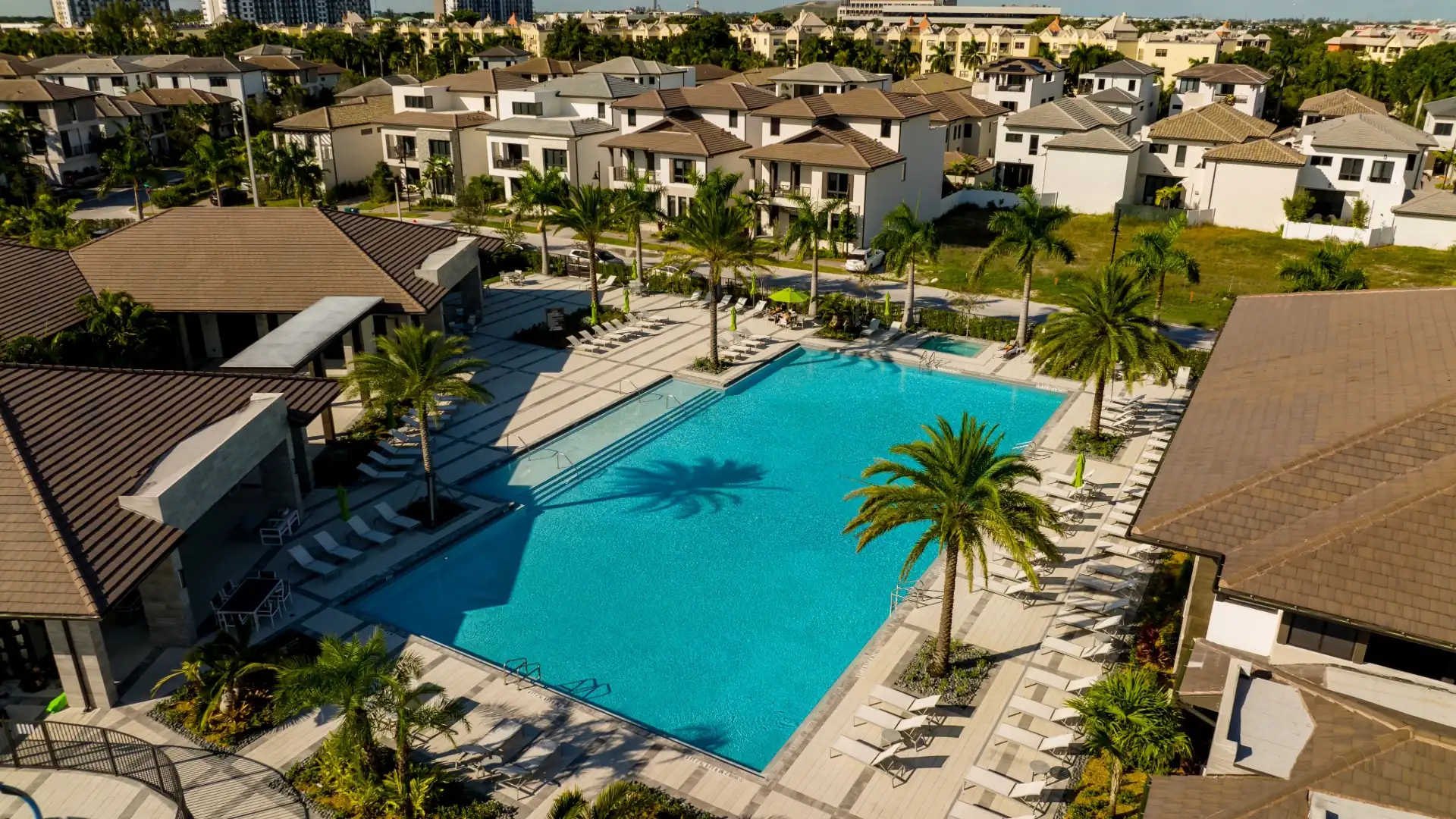
An HOA policy insures what the association owns and what the board decides. It does not insure your house, your belongings or your personal liability. Most of the confusion between boards and homeowners comes from not knowing where that line is.
In North Carolina, newer planned communities must insure their common elements and carry liability coverage, to the extent it is reasonably available. Boards should also carry directors and officers coverage and crime coverage for the money they hold, even though state law does not require them.
Condominiums follow a different law and usually need a master policy on the buildings. See Condo Association Insurance.
Common area property. Covers what the association owns: clubhouse, pool house, gates, entry signs, fences, mailbox kiosks, docks and other common structures, plus their contents.
General liability. Covers injuries and damage on common areas: the slip at the pool, the fall at the playground, the guest hurt on the community dock.
Directors and officers (D&O). Covers claims against the board for its decisions: enforcing covenants, approving or denying architectural requests, assessments, vendor choices. Volunteer board members are often surprised how often HOAs are sued over decisions, not injuries.
Fidelity or crime coverage. Covers theft of association funds by a board member, employee or management company. Reserves are often the largest pool of money in the neighborhood.
Umbrella. Adds liability limits above general liability and D&O, especially for communities with pools, lakes or docks.
Workers compensation. Needed if the association has three or more employees, such as pool or maintenance staff. Contractors working for the HOA should show their own certificates.
Equipment breakdown. Covers pool pumps, gate operators, HVAC in a clubhouse and similar equipment.
Flood and wind. Common structures near the water may need flood coverage. On the coast, when the property policy excludes wind, we write the wind coverage separately through the Beach Plan or another company.
We always include wind and hail
Every business property policy we place on the coast includes wind and hail. When the insurance company excludes wind, we write the wind coverage separately through the Beach Plan or another company, so your building and business property are never left without it.
Forms, endorsements and availability vary by insurance company. Your own policy and your community's declaration govern.
Which communities the insurance section covers. The Planned Community Act applies in full to communities created on or after January 1, 1999. Communities of 20 lots or fewer, and older communities, follow their own declaration on insurance unless they opt in (G.S. 47F-1-102).
Property on the common elements. Covered associations must insure the common elements for fire and extended coverage at no less than 80 percent of replacement cost after deductibles, to the extent reasonably available, starting no later than the first lot sale to a buyer other than the developer (G.S. 47F-3-113).
Liability. The same section requires liability insurance in reasonable amounts for death, bodily injury and property damage arising from the common elements (G.S. 47F-3-113).
Notice and rebuilding. If required coverage is not reasonably available, the association must promptly notify every owner. Policies require 30 days' notice before cancellation or nonrenewal, and damaged common elements must be repaired unless owners vote not to (G.S. 47F-3-113).
D&O is allowed, not required. The Act lets associations indemnify and buy liability insurance for officers and directors (G.S. 47F-3-102). It does not require D&O or fidelity coverage, so the board has to choose to buy them.
Who insures the homes. Owners maintain their own lots unless the declaration says otherwise (G.S. 47F-3-107). In a townhome HOA, the declaration decides whether roofs and exteriors are on the association policy or each owner's policy (Community Associations Institute).
An HOA's premium follows what it owns and what it lets people do. The main factors:
We do not publish average prices. A licensed advisor quotes your actual operation across more than 100 insurance companies.
It covers property the association owns, liability for injuries on common areas, and, if the board buys it, D&O and crime coverage. It does not cover individual homes, belongings or homeowners' personal liability unless the declaration puts something on the master policy.
In most single-family HOAs, no. You need your own homeowners policy; in some townhome communities the association insures roofs or exteriors, so read your declaration.
Communities governed by the Planned Community Act must carry property insurance on common elements and liability insurance, to the extent reasonably available. Older and very small communities follow their own documents.
State law allows it but does not require it. Most boards should carry it, because volunteers can be sued personally over board decisions.
It is coverage that pays the association if a board member, employee or manager steals association money. North Carolina does not require it for HOAs, but reserves make it worth carrying.
Vandalism to association property is usually covered by the HOA's property policy, subject to its deductible. Vandalism to your home or car falls under your own policies.
It depends on the declaration. Single-family HOAs almost never insure roofs; some townhome HOAs do.
It is coverage on your homeowners policy that pays your share when the HOA bills owners for a covered loss or deductible. Standard homeowners forms include a small amount, and higher limits are available.
Not by statute, but common structures in a flood zone can only be protected from flood with a flood policy. Coastal communities should review it.
Forms, endorsements, and availability vary by insurance company. Your own policy governs.
Sizemore Insurance is an independent insurance company founded in North Carolina in 1977. Tell us what your business does and what you need to protect, and a licensed advisor will compare more than 100 insurance companies to find the coverage that fits. Insurance made just for you.
Sources: G.S. 47F-1-102, Planned Community Act applicability; G.S. 47F-3-113, Planned Community Act insurance; G.S. 47F-3-102, powers of the association (officer and director insurance); G.S. 47F-3-107, upkeep of the planned community; Community Associations Institute, who covers what; Fannie Mae Selling Guide B7-3-03, master property insurance; NCJUA / NCIUA, coverage areas.
Forms, exclusions, endorsements, and availability vary by carrier. This page is general information, not a policy or legal advice. Review your own policy or talk to your advisor.