What does RV insurance cover in North Carolina?
Motorhomes, travel trailers, fifth wheels and pop-up campers, from an independent insurance company in North Carolina since 1977.
Motorhomes, travel trailers, fifth wheels and pop-up campers, from an independent insurance company in North Carolina since 1977.
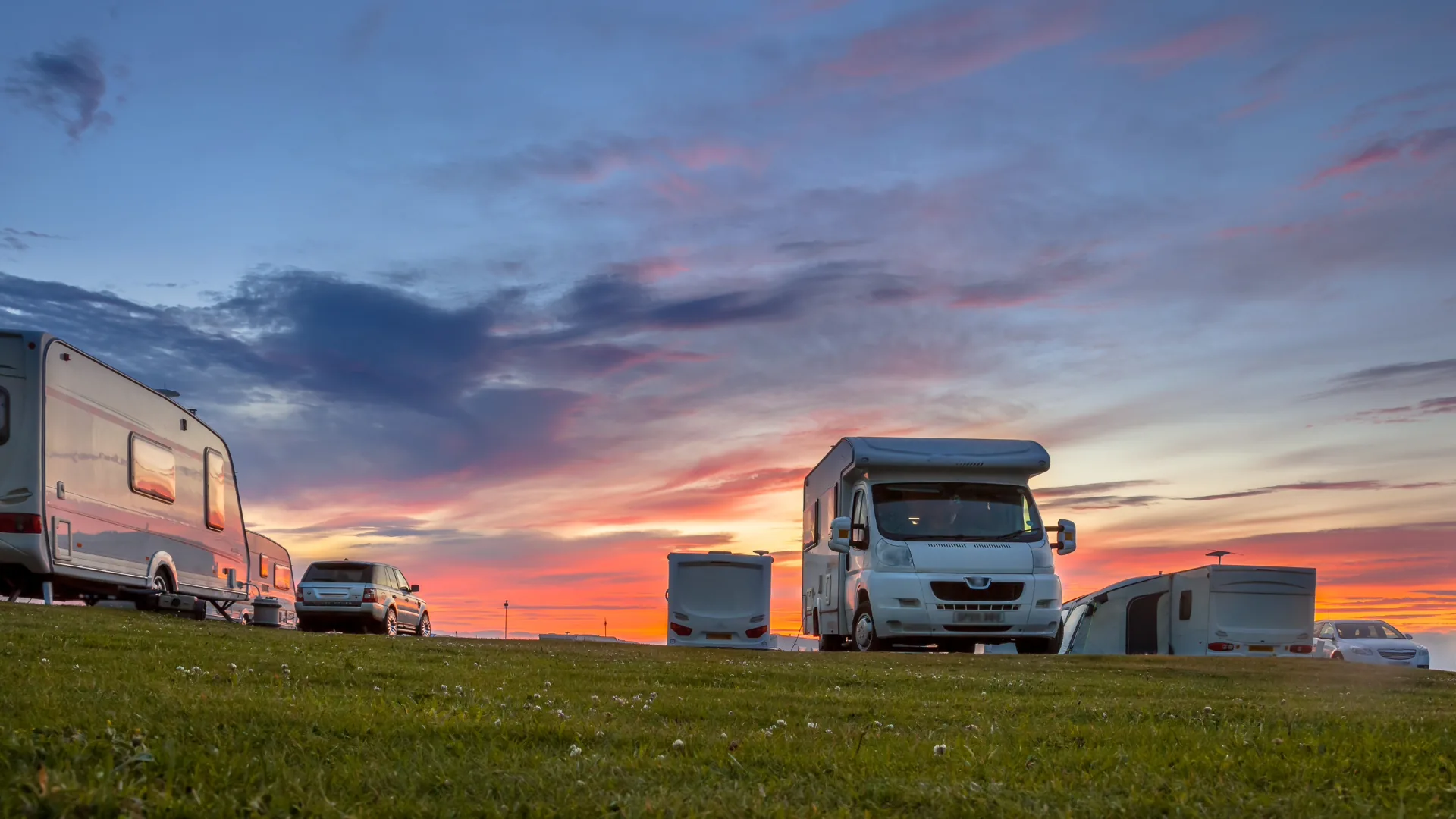
RV insurance covers liability on the road, damage to the RV itself, your belongings inside it, and extras like roadside help and emergency lodging. What you need depends on whether the RV drives itself or gets towed.
A motorhome is a motor vehicle, so it needs liability insurance like a car. A travel trailer or fifth wheel usually gets liability from the vehicle towing it, but damage to the trailer itself needs its own coverage.
Liability. Pays for injuries and damage you cause while driving a motorhome. For towed trailers, liability while hitched usually comes from the tow vehicle's auto policy. Forms, limits and exclusions vary by insurance company, and your own policy governs.
Comprehensive and collision coverage. Covers damage to the RV from a crash, theft, fire, falling trees, hail and wind. Lenders require it on financed RVs.
Personal effects. Covers belongings you keep in the RV, like bedding, cookware, electronics and bikes. Limits are often lower than on a homeowners policy.
Total loss replacement. On some policies, a newer RV that is totaled is replaced with a new model, instead of being paid at its depreciated value.
Vacation liability. Covers injuries to others at your campsite while the RV is parked and used as a temporary residence.
Full-timer coverage. For people who live in their RV most of the year. It adds liability and protections closer to a homeowners policy. Tell us if the RV is your main home.
Emergency expense. Helps pay for lodging, meals and travel home if a covered loss happens far from home.
Roadside assistance. Covers towing, tire changes and lockouts. RV towing needs heavy equipment, so confirm the limit.
Uninsured and underinsured motorist. Pays for your injuries in a motorhome when the at-fault driver has no insurance or too little.
Forms, endorsements and availability vary by insurance company. Your own policy governs.
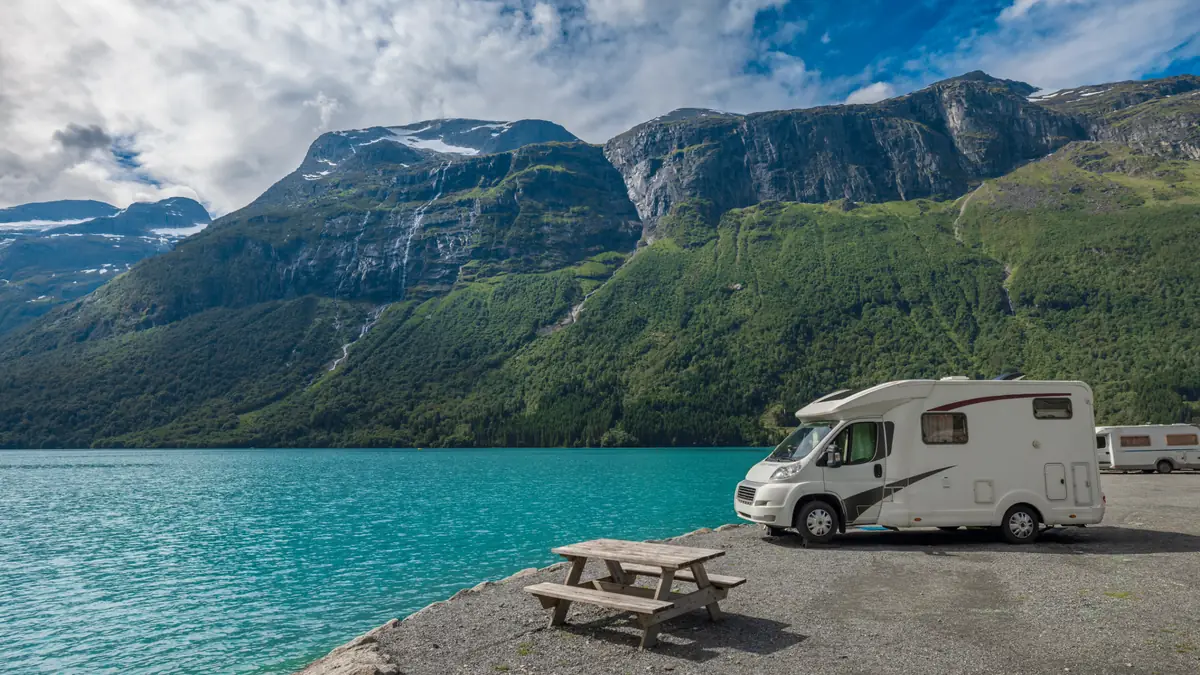
What counts as an RV. State law defines recreational vehicles as camping trailers, fifth-wheel travel trailers, motor homes, travel trailers and truck campers built as temporary living quarters, and a motor home must have at least four facilities such as cooking, refrigeration, a toilet or heat (G.S. 20-4.01).
Registration. A vehicle intended to be operated on a North Carolina highway must be registered with NCDMV (G.S. 20-50).
Motorhomes need liability. A motor vehicle cannot be registered without proof of financial responsibility, and it must stay in force throughout the registration period (G.S. 20-309). Policies issued or renewed on or after July 1, 2025 must carry at least 50/100/50 liability, with underinsured motorist coverage included (NCDOI).
Registered trailers. NCDMV says every vehicle with a valid North Carolina registration must carry continuous liability insurance from a company licensed in the state (NCDMV insurance requirements). Ask us how your trailer is listed so the coverage and the registration match.
Lapses. A lapse in liability on a registered vehicle leads to a civil penalty of $50, $100 or $150 depending on prior lapses, plus a $50 restoration fee (NCDMV). Keep coverage on the RV while it is registered, even during storage.
RV prices depend on the rig and how you use it. Insurance companies weigh:
We do not publish average prices. A licensed advisor quotes your actual situation across 100+ carriers.
A motorhome must carry liability insurance to be registered. NCDMV says every registered vehicle needs continuous liability coverage, so ask us how your towed camper should be listed.
Liability while towing usually comes from your tow vehicle's policy, but NCDMV expects registered vehicles to carry liability. Damage to the trailer itself is only covered if you add physical damage coverage for it.
Your auto policy usually extends liability to a trailer you are towing. It usually does not pay to repair or replace the trailer, which needs its own coverage.
Travel trailer coverage typically pays for damage to the trailer from a crash, theft, fire, wind and hail, plus your belongings inside. Vacation liability and emergency expense are often available too.
Sudden water damage, like a burst line, is often covered. Slow leaks, rot and mold are usually excluded, so inspect seals and the roof often.
Usually not when the leak comes from wear or failed sealant. Damage from a sudden event, like a falling limb or hail, is usually covered under comprehensive.
Yes, theft of the RV is covered under comprehensive coverage. Belongings inside are covered under personal effects, up to its limit.
It is coverage for people who live in their RV most of the year. It adds liability and protections similar to a homeowners policy.
It depends on the type of RV, its value, how you use it and where you store it. We compare many insurance companies and quote your actual rig.
Many RV policies cover flood under comprehensive, but some limit it, especially for RVs parked near the coast. Ask how flood and storm surge are handled before hurricane season.
Forms, endorsements and availability vary by insurance company. Your own policy governs.
Sizemore Insurance is an independent insurance company founded in North Carolina in 1977. Tell us what you need to protect, and a licensed advisor will compare 100+ carriers to find the coverage that fits. Insurance made just for you.
Sources: G.S. 20-4.01, motor vehicle definitions; G.S. 20-50, registration and title; G.S. 20-309, financial responsibility required for registration; NC Department of Insurance, auto changes effective July 1, 2025; NCDMV, insurance requirements.
Forms, exclusions, endorsements, and availability vary by insurance company. This page is general information, not a policy or legal advice. Review your own policy or talk to your advisor.